
Categories
first-time home buyers, homebuying tips, real estate, seller tipsPublished June 27, 2026
Can You Trust an AI Tool to Tell You What Your Home Is Worth?

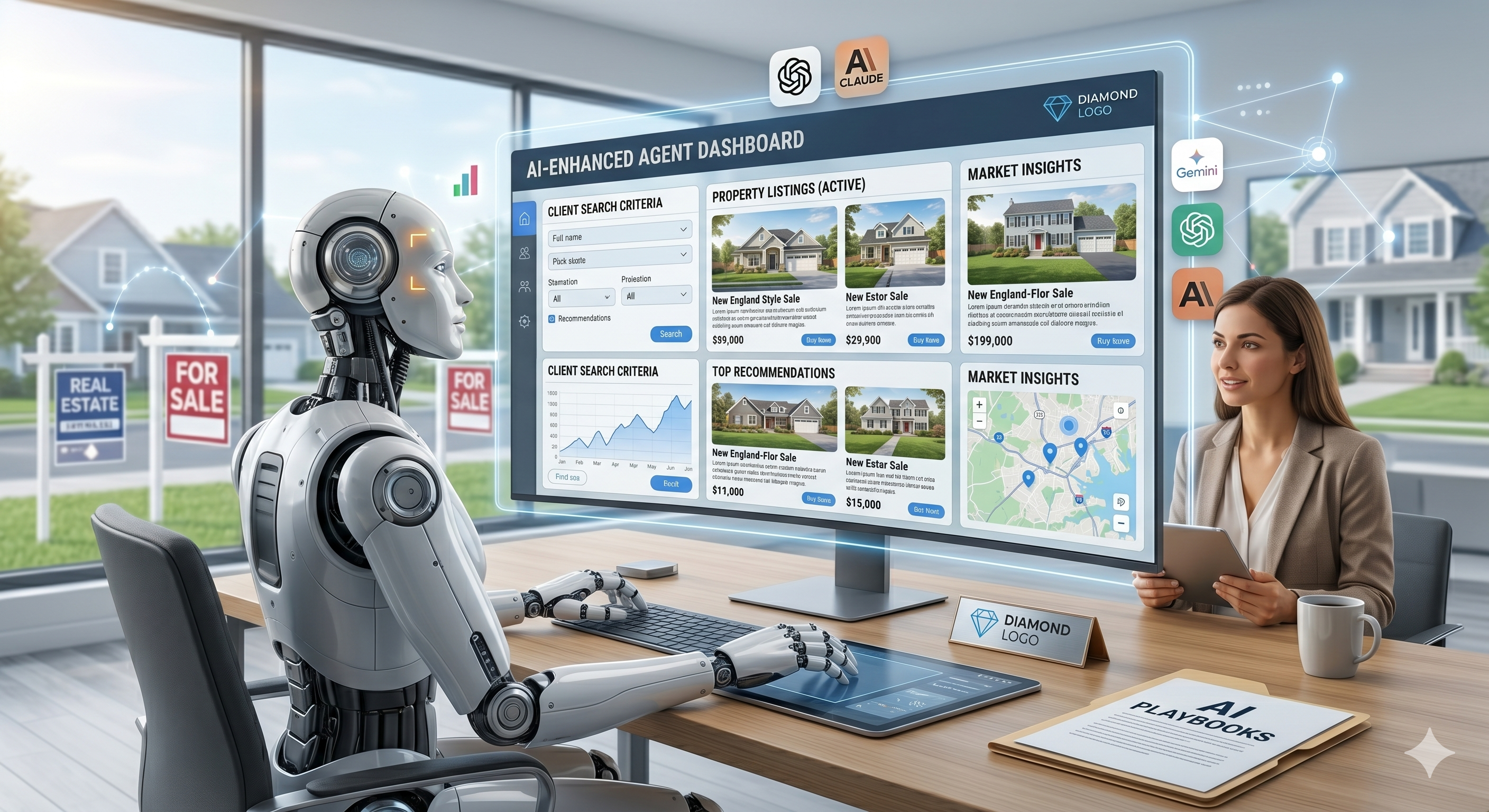
AI is everywhere right now, including in real estate. People are asking ChatGPT for advice on offers, checking Zillow's Zestimate before listing, and treating AI-generated search summaries as fact. Some of that is genuinely useful. Browsing listings online, researching neighborhoods, and getting a general sense of the market are all great first steps. But when it comes to the actual numbers, and the actual decision, AI still has real limits that are worth understanding before you rely on it.
Zestimates Are a Starting Point, Not an Answer
Half of all Zestimates fall within 2.4% of the eventual sale price for on-market homes, nearly 70% fall within 5%, and nearly 90% fall within 10%. That sounds reasonably accurate, until you look at the other side of it. For homes that are not currently listed for sale, the median error jumps to 7.49%, more than triple the on-market rate. On a $450,000 home, that is a swing of more than $33,000.
The accuracy gap gets even wider in certain situations. In dense areas where condos and single-family homes sit at adjacent addresses, automated valuation algorithms can conflate the two and produce estimates off by hundreds of thousands of dollars, and a Zestimate that comes in well below actual value can give a buyer a false sense of negotiating room when none actually exists.
AI Models Have a Documented Bias Problem
This is the part that does not get talked about enough. Research published in January 2026 found that automated valuation models produce errors 3.4 percentage points higher for Black homeowners than for white homeowners. That is not a rounding error. It is a systemic issue baked into how these models are trained, and it can directly affect what a homeowner is told their property is worth.
AI Chatbots Can Get the Facts Wrong, Too
It is not just valuation tools. There have been documented cases of AI being used to write real estate listings that included fabricated details, including one agency that used ChatGPT to write a listing falsely claiming proximity to schools that do not exist. AI tools do not have access to live MLS data, and they can confidently present information that is outdated, incomplete, or simply made up.
Where This Leaves You
None of this means AI tools are useless. They are a fine way to get a rough sense of value or to start exploring an area. But for a decision this large, the gap between "rough sense" and "accurate number" can be tens of thousands of dollars, and sometimes more. A local agent who knows the actual comparable sales, has walked the property, and understands what is happening in your specific neighborhood right now brings something no algorithm can replicate.
Browse online. Visit open houses. Use the tools that are out there! But before you make a huge financial real estate decision based on AI feedback, talk to a licensed professional (like the agents on our team!) who can explain what that decision might actually mean for you.
~ Valerie King Team | #YourFavoriteCTRealtorTeam | Serving Throughout Connecticut
Blog Sources: Southwest Florida Homes / Zestimate Accuracy 2026 | MG Group Chicago | Own Luxury Homes AI Valuation Report | Neuhaus Realty Group

Valerie King
CEO | Lead Listing Agent | Valerie King Team | Keller Williams Realty Partners | Place
or another way